

Where Is Caesarea Philippi Today?
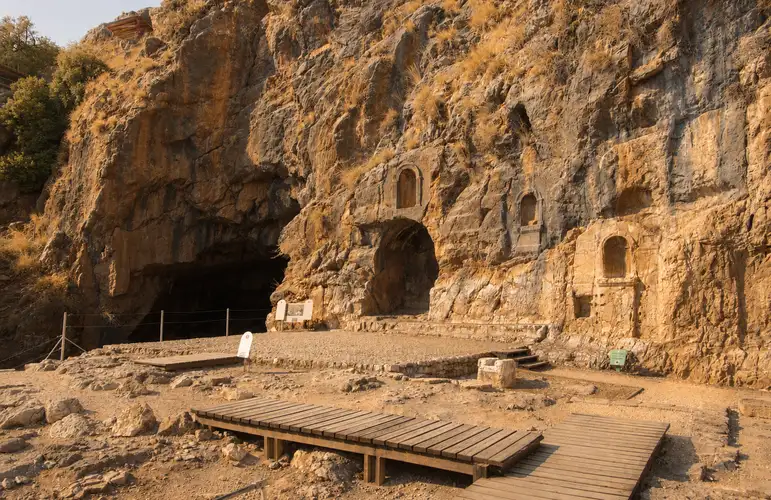
Stepping into the lush, water filled oasis of Banias feels like walking straight into the pages of ancient history. For travelers wondering where is Caesarea Philippi today, the ancient biblical city is located at the Banias Nature Reserve in the northern Golan Heights of Israel, right at the southwestern base of Mount Hermon. Today, this site is actively managed by the Israel Nature and Parks Authority as the Hermon Stream Nature Reserve. It is a breathtaking location where ancient history and lush nature perfectly collide. Visitors to the reserve can directly explore the ruined foundations of grand pagan temples, hike along the rushing springs that feed the Jordan River, and stand in the exact spot where Jesus and the Apostle Peter shared a conversation that forever changed Christian history.
Caesarea Philippi Location
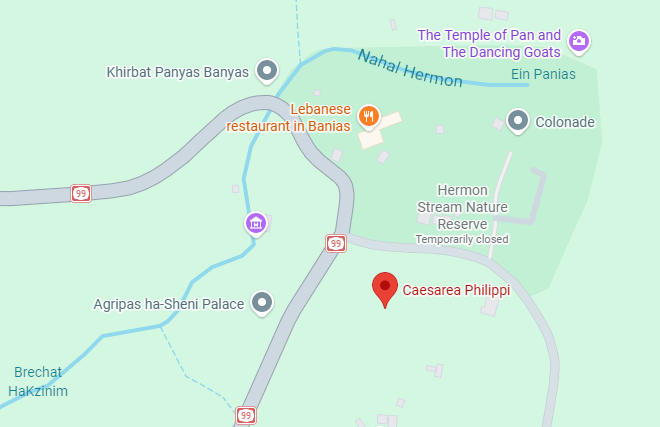
Modern travelers often wonder exactly where is Caesarea Philippi today on a map. You will find the Banias Nature Reserve nestled in the lush northern Golan Heights, right on the southwestern slopes of Mount Hermon. It is situated just a short drive from the northern city of Kiryat Shmona and rests very close to the Israeli and Syrian border.If you are exploring northern Israel as part of a broader itinerary, finding the site is incredibly simple.
What Was Caesarea Philippi?
Before it became a famous biblical landmark, this ancient city was known to the world as Paneas. The name was chosen to honor Pan, the Greek god of the wild, shepherds, and rustic music. When the Romans conquered the region, the area was eventually granted to Herod the Great, who built a grand temple near the springs to honor the Roman Emperor Augustus.
Later, Herod’s son, Philip the Tetrarch, inherited the territory. He completely rebuilt the city into a bustling administrative center and renamed it Caesarea Philippi to honor both the Roman Caesar and himself. It is very important to remember that this city is entirely different from Caesarea Maritima, which is the massive Roman port city located miles away on the Mediterranean coast.
Why Is Caesarea Philippi Important in the Bible?
For Christian visitors, this specific location holds immense spiritual weight. The biblical significance stems directly from the events recorded in Matthew 16:13 through 20. Seeking a quiet retreat away from the crowds of Galilee, Jesus brought his disciples to the region of Caesarea Philippi and asked them a defining question. He asked, “Who do you say that I am?”
It was here that Peter made his famous confession, boldly declaring that Jesus is the Messiah, the Son of the living God. In response, Jesus told Peter that upon this rock, He would build His church, and the “Gates of Hell” would not prevail against it.
Understanding the unique geography of the area brings this scripture to vivid life. At the time, the city was a major center for pagan worship, centered around a massive, dark cave dedicated to the god Pan. Locals truly believed this deep, water filled cave was literally the gate to the underworld. When Jesus spoke about the Gates of Hell, He was likely standing in direct view of this towering pagan shrine, providing an incredibly powerful visual contrast for His followers.
What Can You See at Caesarea Philippi?
Visiting the reserve today offers a stunning mix of archaeology and natural wonder. When you arrive at the park, you will immediately notice the Banias Spring. Crystal clear water gushes directly from the base of a massive limestone cliff face. This spring is a primary source of the Jordan River, making the site ecologically vital to the entire country.
The absolute archaeological highlight is the Cave and Shrine of Pan. You can walk right up to the remains of this ancient pagan worship site. Carved directly into the sheer rock face next to the massive cave are ornate niches where marble statues of the Greek gods once stood. These rock cut niches are still perfectly visible today and offer a great photo opportunity.
As you explore the area further, you will also discover fascinating archaeological remains scattered across the landscape. You can walk through the ruined foundations of the Temple of Pan, ancient courtyards, Roman era civic structures, and the remarkably well preserved remains of a fourth century Byzantine church. All of this history is completely surrounded by lush green vegetation, towering trees, and stunning mountain views.
Hiking at Banias and Caesarea Philippi
Beyond the historical ruins, the Banias Nature Reserve offers some of the absolute most beautiful nature walks in Israel. The area features a wonderful network of well maintained trails that follow the rapid flow of the Banias River. These scenic trails are highly suitable for families and casual walkers wanting to enjoy the outdoors.
One of the most thrilling parts of the hike is the suspended wooden walkway. This cleverly designed trail is built directly into the steep canyon walls, allowing you to walk right over the rushing river below safely. If you follow the path, it eventually leads you to the impressive Banias Waterfall, which is recognized as the largest and most powerful waterfall in Israel. The hiking experience provides a perfect balance to the heavy history of the archaeological zone.
Visitor Information
If you are planning a trip to see exactly where is Caesarea Philippi today, you need to know the practical logistics. The site is managed by the Israel Nature and Parks Authority, and standard national park entry fees apply.
Opening Hours:
During the summer season:
- Sunday through Thursday and Saturday: 8:00 AM to 5:00 PM
- Friday and holiday eves: 8:00 AM to 4:00 PM
During the winter season:
- Sunday through Thursday and Saturday: 8:00 AM to 4:00 PM
- Friday and holiday eves: 8:00 AM to 3:00 PM
Please note that the reserve entrance officially closes exactly one hour before the posted closing time.
Ticket Prices:
- Adult: ₪31
- Child: ₪16
- Student: ₪26
- Senior Citizen: ₪16
Hours and prices may change, so visitors should verify current information on the Israel Nature and Parks Authority website before their arrival.
Visiting Caesarea Philippi with a Private Guide
Navigating the logistics of northern Israel can sometimes be complicated for independent travelers. Distances between historic sites, changing weather conditions in the mountains, and border security considerations require very careful planning.
This is exactly where expert guidance makes all the difference. At Dekel Tours, we can arrange customized Private Tours in Israel that handle all the transportation, timing, and itinerary planning for you. We take care of the stressful details so you can focus entirely on enjoying the experience.
A great guided tour will easily combine the Banias Nature Reserve with other incredible nearby destinations. We frequently pair this site with a Tel Dan guide experience, a visit to the volcanic peak of Mount Bental, exploring the medieval Nimrod Fortress, or taking in the agricultural beauty of the Hula Valley. Whether you are interested in comprehensive Christian Tours in Israel or a general history adventure, a private guide provides the vital historical context that brings these ancient stones to life.
Why Caesarea Philippi Still Matters Today
This unique location beautifully bridges the gap between faith, ancient history, and modern travel. Its archaeological importance gives us a rare glimpse into the complex religious landscape of the ancient Roman world. Simultaneously, its role as a Christian pilgrimage site allows modern believers to stand in the exact region where Peter made his monumental declaration. Add in the sheer natural beauty of the rushing springs and waterfalls, and it is easy to see why this spot remains so beloved by visitors.
Conclusion
If you are wondering exactly where is Caesarea Philippi today, the answer awaits you in the beautiful northern Golan Heights. Located within the modern Banias Nature Reserve, this site perfectly preserves a crucial piece of biblical history alongside stunning Israeli nature. Whether you are traveling to connect with the scriptural legacy of Jesus and Peter, or you simply want to hike along the gorgeous Jordan River springs, Caesarea Philippi remains one of northern Israel’s most fascinating and rewarding destinations.
Jesus traveled to this remote northern region to get away from the massive crowds in Galilee. He purposefully used this quiet, heavily pagan environment to ask His disciples the ultimate question about His identity, which led directly to Peter’s confession that He was the Messiah.
It is an ancient Roman city situated at the base of Mount Hermon. Historically, it was a major center for pagan worship dedicated to the Greek god Pan. Biblically, it is the famous location where the Apostle Peter declared Jesus as the Christ.
The city is most famously mentioned in the Gospel of Matthew (Chapter 16) and the Gospel of Mark (Chapter 8). These specific passages detail the pivotal conversation between Jesus and His disciples regarding His true identity and the establishment of His church.
In the ancient world, it was known for its massive cave and rushing springs dedicated to the Greek god Pan, and it was often referred to as Paneas. In Christian history, it is exclusively known as the site of Peter’s confession and Jesus’s powerful teaching about the Gates of Hell.
Yes, you absolutely can visit. The ancient ruins are located inside the Hermon Stream (Banias) Nature Reserve in Israel. It is open to the public year round and offers well maintained hiking trails, archaeological viewing areas, and modern visitor facilities.