

What Is the Valley of Tears? The Story of “Valley of Tears”
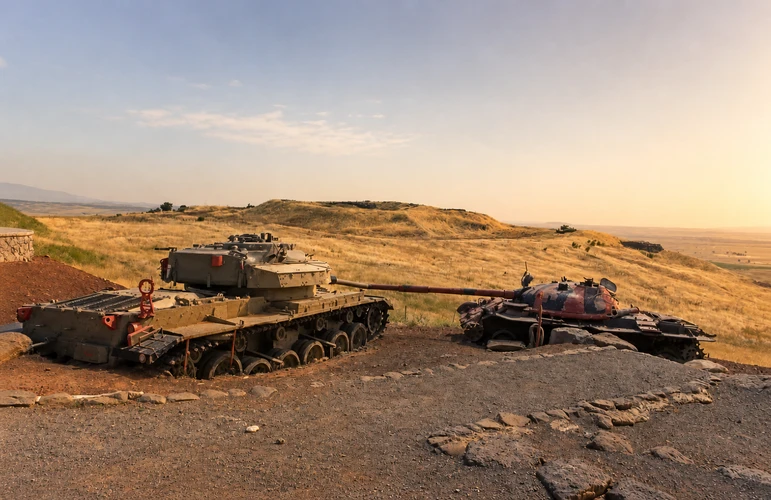
When travelers ask What is the valley of tears?, the geographic answer points to the northern Golan Heights, near Kibbutz El-Rom, along Road 98, between Mount Hermon and Mount Bental, close to the Syrian border. Yet, this profound location is not merely a coordinate on a map. It is the site of a legendary and devastating Yom Kippur War battle that took place in October 1973. It is a place where the very fate of the nation hung in the balance. Understanding this site requires peeling back complex layers of history, unique geography, and deep national trauma to reveal a story of ultimate survival
Where Is the Valley of Tears Located?
To understand where is the valley of tears you need inquire about one of the most hallowed pieces of land in the modern State of Israel. If you are actively researching where is the valley of tears to plan an upcoming heritage trip, you will find it situated in the beautiful but deeply scarred northern Golan Heights.
Historically, this specific valley functioned as a highly strategic tank route. Because the surrounding mountainous terrain naturally funneled heavy vehicle movement between the Syrian border and the Israeli interior, whoever controlled this specific stretch of land effectively controlled the northern gateway into Israel. It was not chosen as a battlefield by accident; geography dictated that any major military conflict in the north would inevitably bottleneck exactly here.
The name itself carries immense emotional weight. The poetic and sorrowful term translates directly from biblical Psalms and perfectly captures the grief, the ultimate sacrifice, and the incredible loss of life experienced on this nearly three miles long battleground.
Geography and Strategic Importance
The physical layout of the region completely explains why it became a focal point of intense, fiery conflict. The Golan Heights battlefield is characterized by a relatively flat, rocky plateau that is punctuated by dormant volcanic cones. This specific valley creates a wide natural corridor. For a modern military force, especially an advancing armored division, this flat plateau is the ideal terrain for rapid tank warfare.
The location sits perilously close to Syria, specifically near the Syrian town of Quneitra. During a military invasion, an advancing army could use this wide corridor to bypass the steeper, far more treacherous mountainous areas located to the north and south. The Israeli military command understood a terrifying reality. If enemy tanks broke through this specific valley, they could quickly descend into the Galilee region and the Jordan Valley. Such a breakthrough would pose an immediate, existential threat to the civilian population centers located directly below the heights. This undeniable strategic reality made the area militarily critical to the survival of the country. When exploring northern Israel, understanding this geography is the key to understanding the sheer panic and bravery that defined the early days of the war.
The Battle of the Valley of Tears in 1973
The modern story of this land is entirely defined by the traumatic events of October 1973. The Yom Kippur War began with a massive, highly coordinated surprise attack by a coalition of Arab states on the absolute holiest day of the Jewish calendar. While the entire country was fasting and praying in synagogues, sirens shattered the silence. On the northern front, Syrian forces launched a devastating assault aimed at rapidly recapturing the Golan Heights. The scale of the Syrian tank forces was staggering to behold. They sent hundreds of heavily armed, modern Soviet manufactured tanks surging across the border in massive, overwhelming waves.
Standing in their way was a drastically outnumbered and severely outgunned Israeli defense force. The primary defence of this crucial corridor fell to the 77th Armored Brigade, famously commanded by Lieutenant Colonel Avigdor Kahalani. What unfolded over the next several agonizing days is universally described as a modern David versus Goliath narrative. Kahalani and his men, operating older modified Centurion tanks, found themselves fighting a desperate, chaotic battle for survival against truly impossible odds.
The Syrian forces advanced relentlessly, pounding the Israeli positions with heavy artillery and concentrated tank fire. The Israeli tank crews fought continuously for days without sleep. Their ammunition supplies dwindled to nothing, their tanks took heavy, crippling damage, and they watched their friends fall in combat. In the utter chaos of this defining Yom Kippur War battle, the men of the 77th Brigade held their ground through sheer determination, vastly superior gunnery skills, and an unbreakable commitment to protecting their homeland from annihilation. By expertly maneuvering their tanks into defensive positions along the rocky ridges, they managed to destroy an astonishing number of Syrian armored vehicles. The intense, close proximity combat eventually broke the Syrian advance. This incredible, stubborn stand became the absolute defining turning point of the war on the northern front.
The Aftermath and Legacy
The miraculous victory in the valley came at a terrible and heartbreaking cost. The Israeli forces suffered catastrophic losses, with many young, brave soldiers giving their lives to halt the massive invasion force. In the days following the battle, the valley was left entirely littered with hundreds of burnt out tanks, destroyed armored personnel carriers, and the deep, permanent scars of relentless artillery fire.
However, the strategic Israeli victory was undeniable and absolute. By holding the line at the very edge of defeat, the 77th Brigade prevented a catastrophic invasion of northern Israel that could have ended the state. Because of this unimaginable sacrifice, the Valley of Tears Israel transformed overnight from a simple geographic agricultural corridor into an eternal, revered symbol of Israeli resilience, physical courage, and the incredibly heavy price of freedom. It remains a place where the nation comes to grieve and to remember the cost of its survival.
Visiting the Valley of Tears Today
Today, the area is a place of profound quiet reflection, stark natural beauty, and deep historical significance. A visit to this site is a truly moving emotional experience that resonates deeply with visitors from all over the world. The absolute focal point for travelers is the Oz 77 memorial site. This beautiful, somber location directly commemorates the heroic soldiers of the 77th Armored Brigade who fell fighting during the battle. Here, you can walk slowly among the preserved military trenches, read the names of the fallen heroes etched in stone, and see actual Israeli and Syrian tanks left exactly where the brutal battle finally ended.
From the nearby Mount Bental viewpoint, visitors can look down directly upon the very valley where the fighting took place, gaining a perfect, clear understanding of the region’s complex geography. Looking out over the landscape, with the Syrian border clearly visible just a short distance away, the terrifying strategic reality of the battle becomes immediately clear to anyone standing there. Because of its incredible historical weight, a visit to this site is considered an essential stop and is thoughtfully included in almost all guided tours in the Golan Heights.
The Valley of Tears TV Series and Historical Accuracy
The dramatic, harrowing events of this battlefield gained renewed international attention with the release of the Valley of Tears television series in 2020. This high budget, Israeli HBO style production brought the terrifying reality of the Yom Kippur War to a global audience for the very first time. The show is heavily based on real historical events, but like any television drama created for entertainment, it carefully blends historical fact with creative storytelling.
What the show gets remarkably right is the visceral, unpredictable chaos of war. The depictions of the tank battles are terrifyingly realistic. The directors perfectly captured the claustrophobia of being inside a tank, the deafening noise of artillery shells, and the sheer, unadulterated terror of armored combat. It also successfully conveys the profound emotional toll the surprise attack took on the young, unprepared soldiers.
However, viewers planning a trip should be fully aware of what is dramatized for the screen. While the overarching military movements and the massive scale of the Syrian invasion are historically accurate, the specific personal stories, the dramatic dialogue, and the individual character arcs are highly fictionalized for dramatic effect. The series also utilizes timeline compression, taking complex military events that unfolded over several long days and condensing them into much tighter episodic narratives. Ultimately, the show provides a balanced, gripping look at the conflict, serving as a very powerful entry point for those wanting to learn more about the real history before visiting the site in person.
Plan Your Visit to the Valley of Tears
Experiencing this monumental site requires significantly more than just pulling a rental car to the side of the road to take a quick photograph. This is not just a scenic viewpoint. It is a complex, deeply emotional story that forever shaped the trajectory of a nation. To truly grasp the gravity of the battlefield, we highly encourage booking an expert guide to lead you through the terrain.
An expert guide brings the historical context brilliantly to life, explaining the complex troop movements, sharing the intimate personal stories of the soldiers who fought there, and providing vital clarity on the modern geopolitical landscape you are looking at. We can seamlessly integrate this powerful visit into custom private tours in Israel. A typical, well planned itinerary might combine a morning at the Oz 77 memorial site with the incredible panoramic views from Mount Bental, a sobering look directly across the border at the Quneitra viewpoint, and a relaxing afternoon visiting the world class boutique wineries and lush nature reserves of the region. Let Dekel Tours help you turn a simple historical site visit into an unforgettable journey of discovery.
The Valley of Tears is located in the northern Golan Heights in Israel. It sits near Kibbutz El-Rom along Road 98, nestled securely between Mount Hermon and Mount Bental, just a very short distance from the Syrian border.
It is a famous, historically vital battlefield from the 1973 Yom Kippur War. It was the site of a massive, multi day tank battle where a heavily outnumbered Israeli armored brigade successfully held off a massive Syrian invasion force, making it a powerful modern symbol of national resilience and sacrifice.
The highly acclaimed Israeli television series is broadly accurate in its intense depiction of the war’s chaos, the terrifying reality of tank warfare, and the heavy emotional toll on the soldiers. However, the specific character storylines and dialogue are dramatized, and some historical timelines are compressed for narrative pacing.